
Alcohol Laws in Pennsylvania: Important Limits and Best Practices
Alcohol laws in PA can quickly get confusing. While most of us know that the minimum age to consume alcohol is 21, there are a number of other laws concerning the handling and consumption of alcohol in our state. For example, the minimum age to serve alcohol is only 18, so it is possible for someone under the age of 21 to be a bartender. However, servers and bartenders are required to complete a RAMP certified training on alcohol safety, no matter their age.
The attorneys at Sutton & Lovette Law Offices are here to help you better understand the alcohol laws in Pennsylvania. Read this week’s blog below to become more familiar with how these laws work both for businesses and citizens in the state.
DUI Laws in PA
A DUI (driving under the influence) charge is a serious one in Pennsylvania, classified as a misdemeanor criminal offense unless it involves an accident with serious bodily injury (SBI) or death. The legal blood alcohol content (BAC) limits in PA are as follows:
21 or older: 0.08%
Commercial Drivers: 0.04%
Under 21: 0.02%
Alternately, the penalties for a DUI in PA are as follows:
First Offense (0.08 - 0.099% BAC): Up to 6 months probation, $300 fine, mandatory alcohol highway safety school.
Higher BAC (0.10% or above): Possible license suspension, jail time, ignition interlock devices, and mandatory treatment programs.
Repeat Offenses: Severe consequences, including long-term license suspension, felony charges, and extended imprisonment.
Dram Shop Laws
As a server, bartender, or owner of an establishment that serves alcohol, it is illegal to serve alcohol to a visibly intoxicated person. In these cases, establishments may be held civilly liable under Dram Shop laws. These are enacted if a patron is served while intoxicated or served to the point of intoxication and then causes a DUI-related crash or injury. Servers are to be trained in these types of situations and taught how to handle them. This is the purpose of the RAMP certifications mentioned above.
The Dram Shop Act in Pennsylvania is what holds establishments accountable. You may be sued if your business serves a visibly intoxicated person who later causes harm. Some important Dram Shop Cases are as follows:
Manning v. Andy (1973)
This case established that only licensed entities, not private individuals, can be held liable under the Dram Shop Act.
Klar v. Dairy Farmers (2023)
Clarified that while “gifting” alcohol doesn’t trigger liability for private citizens, it does when a licensee furnishes alcohol in any form. This case reaffirmed the importance of training and professional service.

Minors in Possession (MIP) Laws in PA
In PA, it is strictly prohibited for those under 21 to possess, consume, purchase, or transport alcohol by any means. If they break these laws, there are varying degrees of consequences. Courts frequently offer pre-adjudication or diversionary programs instead of formal convictions, often including education or service. However, some of the more serious penalties for breaking MIP laws in PA include:
First offense: Up to $500 fine, possible up to 90 days in jail
Second & subsequent: Fine up to $1,000, same maximum jail time
License suspension for 90 days on first offense; longer for repeat violations.
Convictions appear on background checks; expungement may be possible after age 21 or with diversion
Parental/guardian notification is mandatory if the minor is under 18
Consequences Beyond Fines
Although fines are the most common punishment for first-time offenders, sometimes more intense action is taken. Depending on what county you live in, those receiving DUIs might face harsher punishments than just fines.
License suspension for 90 days on first offense; longer for repeat violations.
Parental/guardian notification is mandatory if the minor is under 18
Criminal record: Convictions appear on background checks; expungement may be possible after age 21 or with diversion
Types of Liquor Licenses in Pennsylvania
When learning about alcohol laws in PA, it is important to recognize the different types of liquor licenses, as the laws are different for each one. Firstly, there are on-premise licenses. This means that alcohol consumption is allowed on-site. These include…
Restaurant (R) License: Beer, wine, liquor in full-service dining settings.
Eating Place (E) License: Beer/malt beverage only.
Hotel (H) License: For lodging with on-site bar service.
Club (C) & Catering Club (CC): Member-only establishments.
There are also off-site licenses. This means that alcohol sales are permitted only in a “to-go” capacity. These include…
Distributor (D) License: Large quantity beer sales.
Importing Distributor (ID) License: Wholesale-level sales.
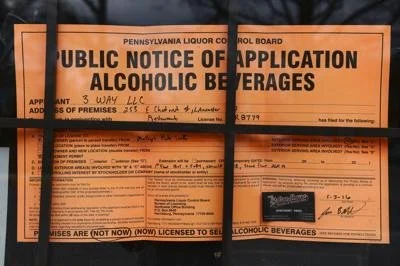
While there are some other special types of licenses, these are the most common. To obtain these licenses, the owner of a business has to purchase and transfer a liquor license that already exists in the county and preferably the municipality where you want to operate. This way, there are a predetermined number of alcohol-serving establishments in a municipality/town at a given time.
Understanding Liquor Laws in Pennsylvania
While alcohol and liquor laws can be intimidating to understand, it is important to be aware of them. Whether you are looking to open a business that serves alcohol, are thinking about becoming a server or bartender, or are just curious about how the law works, knowledge of these laws may help you in the future.
If you are looking to open a business and are curious about how to navigate the liquor laws, contact Sutton & Lovette Law Offices today!