
Can You Sue Someone for Injuries From an Assault, Even If They're Criminally Charged?
The answer is simple, yes. A criminal case and a civil case are two separate proceedings, and one does not replace the other.
This surprises a lot of people. When charges are filed after an assault, it feels like the system has taken over and there is nothing left for the injured person to do but wait. In reality, the criminal case is the Commonwealth prosecuting a crime. It is not a proceeding designed to make the injured person whole.
Two cases, two different questions
The criminal case asks whether the Commonwealth can prove a crime beyond a reasonable doubt. The injured person is a witness in that case, not a party to it. The district attorney represents the Commonwealth, not the victim.
A civil case asks a different question entirely. It asks whether the person who caused the harm should be financially responsible for it, and it is decided by a preponderance of the evidence, which is a lower standard than the criminal one.
Because the standards differ, an acquittal or a dismissal in the criminal case does not automatically end a civil claim. The reverse is also useful. A conviction or a guilty plea can be meaningful evidence in the civil matter.
Restitution is not the same as a civil claim
Pennsylvania does order restitution in criminal cases. Under 18 Pa.C.S. § 1106, a person convicted of a crime that caused personal injury shall be sentenced to make restitution in addition to whatever other punishment is imposed, and the court is directed to order full restitution regardless of the defendant's current financial resources.

Restitution addresses documented losses. It is not the same as the full range of damages a civil claim can address, and it is collected through the criminal court's process rather than through a civil judgment. For serious injuries, the gap between the two is often significant.
The deadline does not wait for the criminal case
This is where people lose claims.
Pennsylvania's two-year deadline is set in 42 Pa.C.S. § 5524, and assault and battery are named in the very first subsection of that statute. A pending criminal case does not, by itself, pause that clock.

Criminal matters routinely take a year or more to resolve. Someone who decides to wait until sentencing before thinking about a civil claim can find that most of the two-year window is gone. Being represented early does not require filing immediately. It simply means the option stays open.
Who can actually be sued?
The obvious defendant is the person who caused the harm. That is often the least practical one. Individuals frequently have no meaningful assets, and homeowner's and renter's insurance policies commonly exclude intentional acts, which means there may be no coverage behind the person who did it.
That is why the more important question is usually whether anyone else bears responsibility for the circumstances. Pennsylvania law recognizes that a business open to the public has obligations toward the people it invites in, and those obligations can extend to foreseeable harm caused by third parties.
Situations worth examining include an assault in a bar or nightclub parking lot, an attack in an apartment complex with broken locks or a long history of security complaints, violence at a business that had experienced similar incidents before and did nothing, and an assault at a hotel, event venue, or property where security was promised and not provided.

These are commonly called negligent security claims, and they turn on foreseeability. What did the property owner know about the risk, and what did they do about it? The same duty framework that governs other injuries on commercial property applies here, and our post on premises liability and slip and fall claims in Pennsylvania covers how that duty is structured.
If the assault happened at work or while performing job duties, a different track may be involved as well. Our post on workplace injuries in Pennsylvania explains how workers' compensation interacts with claims against parties other than the employer.
Help that exists right now
The civil claim takes time. Bills do not.
Pennsylvania operates the Victims Compensation Assistance Program through the Commission on Crime and Delinquency. It reimburses out-of-pocket costs tied to a crime, including medical expenses, counseling, lost earnings, and relocation. According to the Commonwealth's program page, for crimes occurring on or after September 8, 2022, a claim must be filed within five years of the crime, the crime must have occurred in Pennsylvania, and it must have been reported to the proper authorities or covered by a protective order.
This program is separate from any civil claim and does not require a lawyer to access. It is worth applying for early, because it covers categories of expense that create immediate pressure.
Practical steps that protect a claim
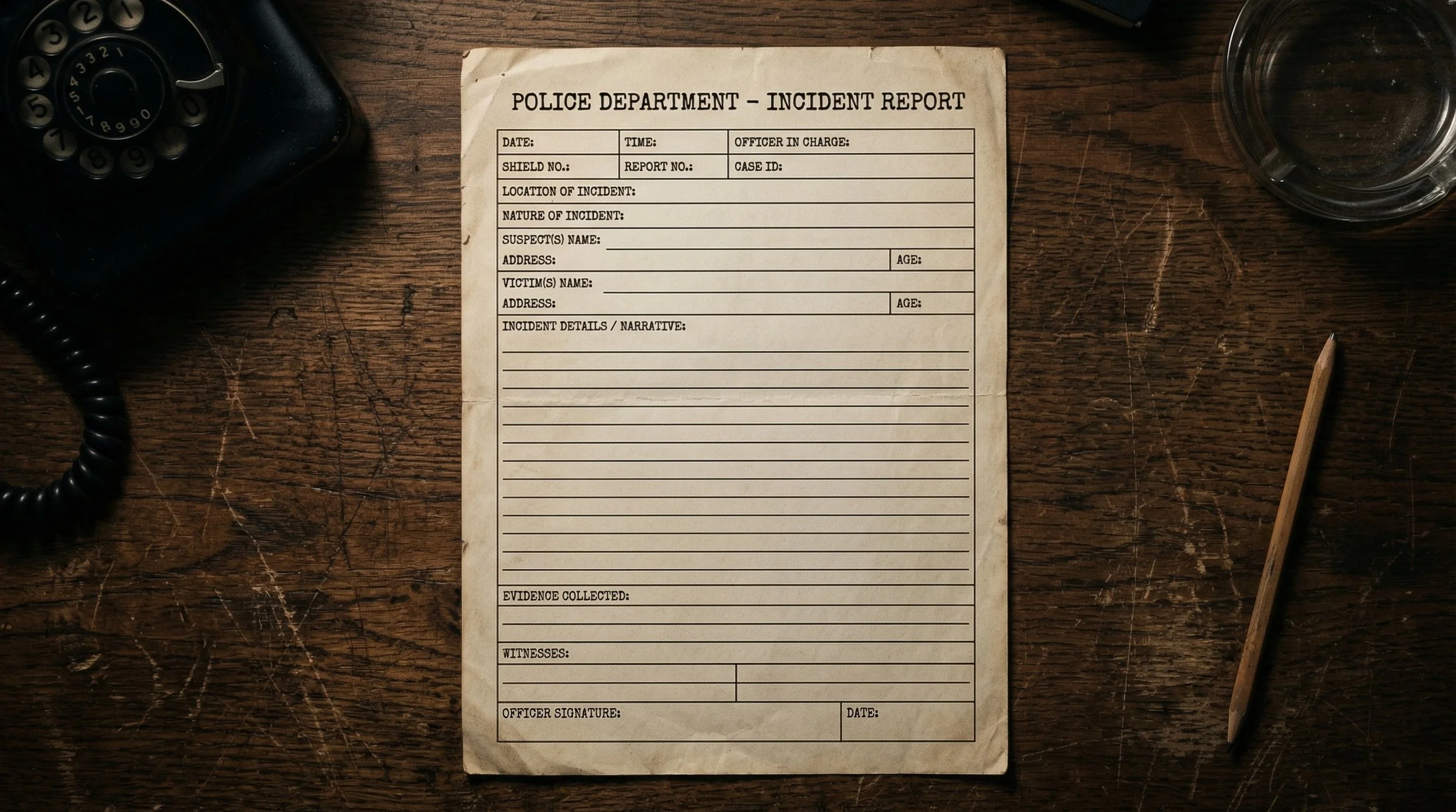
Report the incident and get a copy of the police report or the incident number. Seek medical attention even when injuries seem minor, because documentation created at the time is far more persuasive than a description offered months later.
Photograph injuries as they change over the following days. Identify witnesses while their contact information is still current. If the assault happened on someone else's property, note the presence or absence of cameras, lighting, and security staff, and keep any record of complaints made to management.
Then be careful about what gets posted publicly. Social media content is routinely used in both the criminal and civil proceedings.
Talk to someone about your situation
If you were injured in an assault in Ebensburg, Johnstown, Altoona, or elsewhere in Central Pennsylvania, you can ask about your options without any obligation, and without waiting for the criminal case to finish.
Sutton & Lovette offers a free consultation. Calls to (814) 471-7702 reach the firm's Ebensburg office directly rather than an answering service, and the firm returns calls promptly.

This article provides general information about Pennsylvania law and is not legal advice. How the law applies depends on the facts of each situation.
