
Litigation or Mediation: Which is Right for You?

When you find yourself in the middle of a legal dispute, the pressure to resolve it quickly and effectively can feel overwhelming. Whether the matter involves a business contract, a property disagreement, or a sensitive family issue, the choice of how to proceed is critical. At Sutton & Lovette Law Offices, we help clients navigate two primary avenues of dispute resolution: litigation and mediation. Each path has unique advantages. Understanding these differences is the first step toward protecting your interests.
Mediation: A Collaborative Alternative

Mediation is often described as the “gentler” path to resolution. Instead of stepping into a courtroom, parties meet with a neutral mediator who facilitates structured dialogue. The mediator does not impose a decision but helps both sides uncover common ground and negotiate terms that feel fair. Some of the advantages to mediation over litigation are outlined here:
Efficiency: Mediation can resolve disputes in days or weeks, compared to months or years in litigation.
Cost Savings: Legal fees are typically lower, since the process is streamlined.
Control: Unlike litigation, where a judge decides the outcome, mediation allows parties to retain influence over the resolution.
Despite these advantages, mediation is not a cure‑all. If compromise proves impossible, litigation may still be necessary.
The Mediation Process Step by Step
Mediation takes place in stages, each designed to move parties closer to common resolution:
Preparation
Parties gather documents, clarify objectives, and prepare for constructive dialogue. This mirrors litigation’s emphasis on preparation but shifts the focus toward collaboration rather than confrontation.
Mediation
Sessions Guided by the mediator, parties engage in structured discussions. Straightforward disputes may resolve in a single afternoon, while complex cases may require multiple sessions stretched over weeks.
Negotiation and Compromise
Success hinges on the willingness of each party to compromise. Mediation encourages participants to look beyond rigid positions and explore underlying interests.
Agreement
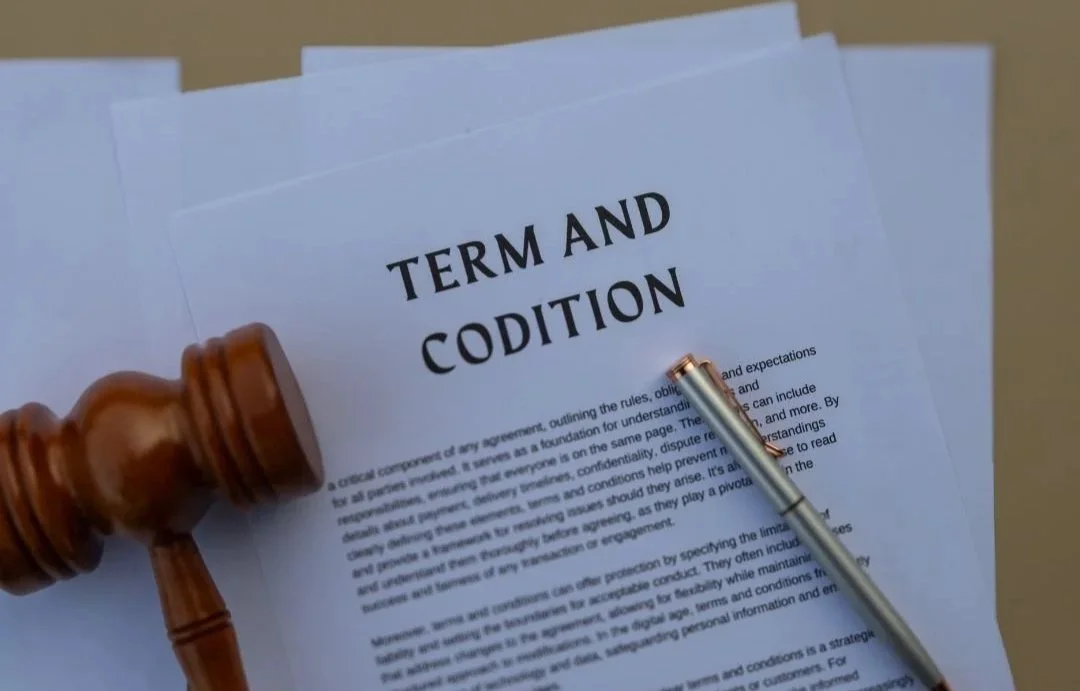
If consensus is reached, the mediator and legal advisors formalize the terms in writing. Agreements only become binding once signed. Without signatures, the process remains unfinished, and disputes may resurface.

Outcomes: Binding vs. Non‑Binding
Mediation can produce two types of agreements:
Binding Agreements: Legally enforceable contracts that provide closure and certainty, best for business deals or property settlements.
Non‑Binding Agreements: Flexible frameworks that articulate understanding but cannot be enforced in court.
Beyond Resolution: The Human Impact
The benefits of mediation extend beyond the legal outcome. For many, the collaborative nature of mediation reduces stress and preserves relationships. Unlike litigation, which often deepens divides, mediation fosters mutual respect.

Mediation can also serve a preventive role. By establishing clear terms and expectations, parties may avoid future disputes altogether. In this sense, mediation is not only about solving today’s problem but also about safeguarding tomorrow’s peace.
For a broader perspective on dispute resolution methods, see Cornell Law School’s Legal Information Institute.
Litigation: The Traditional Path
Litigation remains the cornerstone of dispute resolution when compromise is impossible. It involves filing a lawsuit, presenting evidence, and ultimately allowing a judge (or jury) to decide the outcome. Litigation offers the authority of the court system and the enforceability of judicial rulings.
Advantages: Litigation provides a definitive, binding resolution backed by the power of the law. It is particularly effective in cases involving complex legal issues, unwilling parties, or situations where precedent matters.
Challenges: Litigation is often lengthy, expensive, and emotionally taxing. Court schedules, procedural rules, and appeals can extend disputes for years.
If you believe litigation may be necessary, contact our attorneys to discuss your options and strategy.

Choosing the Right Path
Litigation entrusts resolution to the authority of the courts, often at significant financial and emotional cost. Mediation entrusts resolution to the willingness of parties to collaborate, compromise, and craft their own path forward.
Neither path is universally right or wrong. The decision depends on the dispute itself, the personalities involved, and the desired outcome. What matters most is clarity: understanding what each process entails, what risks it carries, and what rewards it offers. At Sutton & Lovette, we help clients weigh these options carefully. Contact us today to take the first step toward resolution.
