
What to Do Immediately After a Car Accident in Pennsylvania
The minutes after a crash are the worst possible time to be making decisions. Adrenaline is running, the scene is loud and confusing, and most people have never done this before. What happens in that first hour, however, shapes a great deal of what follows, including whether an injury claim is provable months later.
Pennsylvania also imposes specific legal obligations on drivers involved in a crash, and those obligations are not widely known. The steps below cover both what the law requires and what tends to matter later.
Check for Injuries and Get to a Safe Place
Before anything else, check on everyone in the vehicle, and then on anyone in the other vehicle if it is safe to approach. If a vehicle is drivable and sitting in a live lane of traffic, moving it to the shoulder reduces the risk of a secondary collision, which on rural highways is a serious hazard.
If anyone appears seriously hurt, call 911 first and worry about the rest afterward.
When Pennsylvania Law Requires Calling the Police
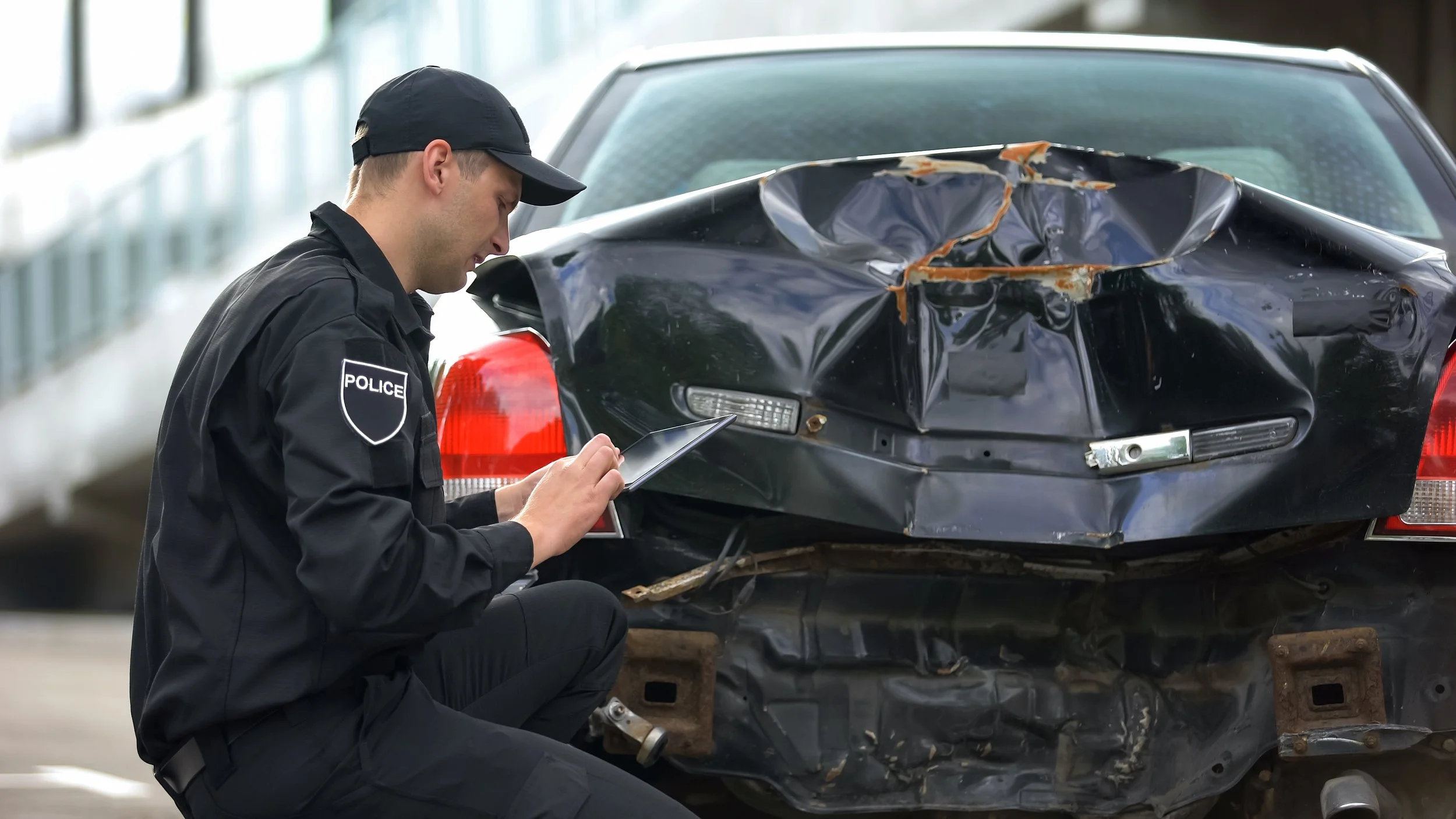
Under 75 Pa.C.S. Section 3746, a driver involved in a crash must immediately notify the nearest police department, by the quickest available means, if the accident involves either of two things. The first is injury to or death of any person. The second is damage severe enough that a vehicle cannot be driven under its own power and has to be towed.
There is a related provision that matters when someone is badly hurt. If the driver is physically unable to make that call, a passenger who is capable of doing so carries the duty instead.
One detail here is worth knowing in advance, because almost nobody asks for it at the scene. When an accident is reported and an officer investigates, the statute requires that officer to give each driver a signed statement confirming the accident was reported. Asking for that statement before leaving takes a few seconds and creates a record that is useful later.
What to Do If Police Do Not Come to the Scene
Police do not respond to every crash, and departments in smaller communities are sometimes stretched thin. If an accident met the reporting criteria but no officer investigated it, the obligation shifts to the driver. Under 75 Pa.C.S. Section 3747, the driver has five days to send a written report of the accident to PennDOT, using the form the department provides for that purpose.
Five days passes quickly when someone is dealing with injuries, a totaled vehicle, and missed work. It is an easy deadline to miss without realizing it existed.
Exchange Information and Document What You Can
Names, phone numbers, addresses, driver's license numbers, license plate numbers, and insurance information for every driver involved should be collected before anyone leaves. If there are witnesses, their contact information is often more valuable than anything else gathered at the scene, because witnesses disperse and become nearly impossible to find later.

Photographs are worth taking even when the damage looks obvious. Wide shots showing the position of the vehicles, close shots of the damage on both vehicles, the condition of the road, any skid marks, traffic controls, and the weather all help reconstruct what happened. Scenes get cleared and vehicles get repaired or scrapped, and once that occurs the photographs taken at the scene are frequently the only remaining evidence.
Get Checked Out Even If Nothing Hurts Yet
Adrenaline masks pain. Soft tissue injuries, concussions, and back injuries commonly present hours or even days after a crash rather than at the scene. Declining medical attention and going home feels reasonable in the moment, and it creates two problems.
The first is medical. An injury that goes unevaluated can worsen. The second is practical. A gap between the crash and the first medical visit is something insurers routinely point to when arguing that an injury was not caused by the accident.
Getting evaluated promptly protects both a person's health and the record of what happened.

Report the Crash to Your Own Insurance Company
Notifying your own insurer is a separate step from anything that happens with the other driver's insurance company, and most policies require it. In Pennsylvania this step matters more than people expect, because an injured person's own policy is generally what pays the initial medical bills regardless of who caused the crash. That surprises many people, and it is worth understanding who actually pays those bills before treatment gets expensive.
Be Careful With the Other Driver's Insurance Adjuster
An adjuster for the other driver may make contact within a day or two, often before anyone knows how serious an injury is. That call is usually friendly and frequently includes a request for a recorded statement.
There is no obligation to provide a recorded statement to the other driver's insurer. Statements given early, before the full extent of an injury is known, are difficult to revisit later when symptoms turn out to be worse than they first appeared. The same caution applies to signing anything or accepting a quick settlement in the first weeks.
How Long Is There to Take Action?
Pennsylvania generally allows two years from the date of the injury to file a personal injury lawsuit, though certain situations change that timeline, including claims involving minors and claims against government entities.
Two years sounds like plenty of time. In practice, the evidence that decides a case starts disappearing almost immediately, which is why the useful deadline arrives long before the legal one.
Questions After a Crash? Call Sutton & Lovette
Sutton & Lovette is based in Ebensburg and works with injured people throughout Central Pennsylvania and the surrounding communities. Anyone with questions after a crash, including people who are not sure whether they have a claim at all, is welcome to call and ask.
Calls to the firm reach the firm directly rather than an answering service, and the firm returns calls as quickly as it can. The consultation is free, and there is no cost simply to find out where things stand. Call Sutton & Lovette at (814) 471-7702 today.
