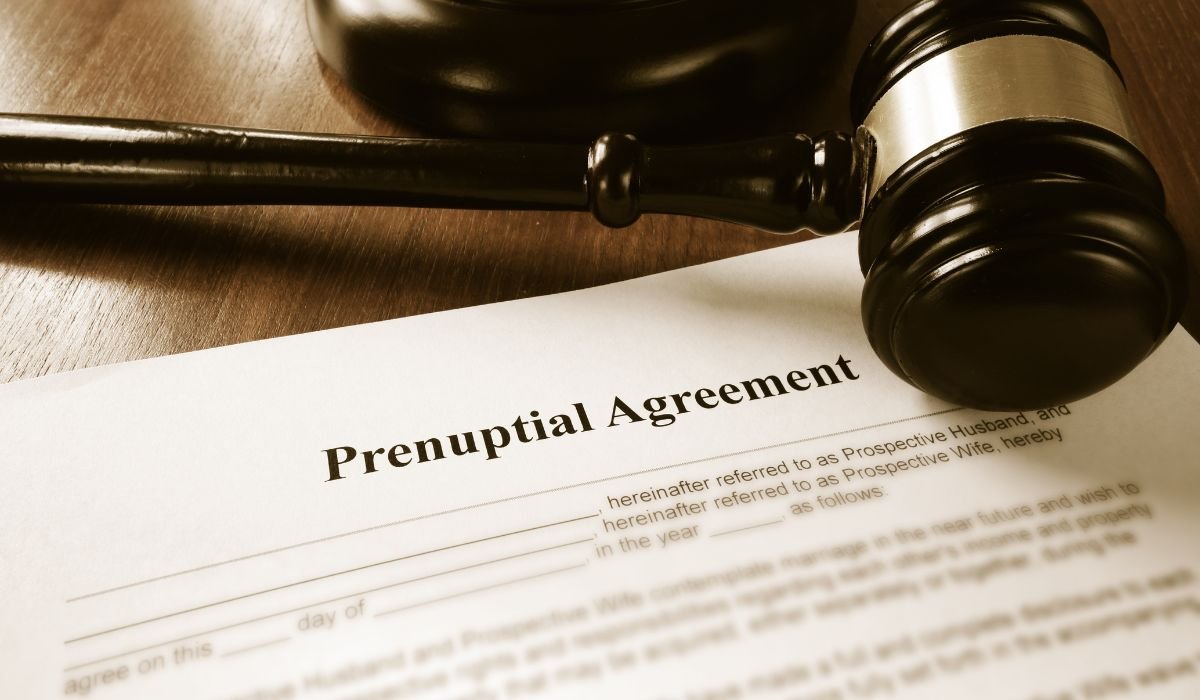
A prenuptial agreement, more commonly known as a prenup, takes stock of each person’s property, assets, and debts. The agreement outlines the rights of each party to this property if the marriage dissolves or one party dies. Although the most common understanding of use for a prenup is for dividing assets after a divorce or separation, they can also be effective as a will.
While the thought of a prenup can be uncomfortable or WORD, it is a great idea for both people in a marriage to consider. It serves as a safety net for both parties. Contact an attorney at Sutton & Lovette to figure out what is best for you and your marriage.
What Does a Prenup Include?
A prenup agreement typically includes a few key pieces of information, including:
How assets will be divided if a marriage ends
Agreement for the payment of spousal support upon divorce
Terms for what triggers different kinds of payments
A sunset clause, a measure within a statute, regulation, or other law that provides for the law to cease to be effective after a specified date, unless further legislative action is taken to extend it, which allows the prenup to expire after a specific period of time.
Agreement that allows premarital debt to continue with its owner after a divorce
What is specifically included in any prenup can be touchy for some couples. Often, the more assets there are to divide, the more hurdles there are to crafting a document that is suitable to both parties. It can be helpful for both parties to discuss the pros and cons of a prenup agreement with a trusted attorney. Often, everyone can come to an agreement where they feel safe with the agreement.
What Makes a Prenup Valid?
Prenuptial agreements are interpreted differently in different states. Some states require certain elements to be present for a prenup agreement to be valid. In Pennsylvania, the Uniform Premarital Agreement Act (UPAA) governs prenups. This act provides a framework to ensure enforceability across the state. The guidelines are clear for validating these agreements by requiring the following:
Written and Signed Agreements by Both Parties: Verbal agreements are not valid in Pennsylvania.
Voluntary Nature: Both people must willingly agree to the prenup without coercion
Full Financial Disclosure: Transparency regarding each party’s assets, debts, income, and liabilities is paramount to provide fairness
With these requirements, the UPAA helps prevent disputes and keeps prenups valid in court. This legal agreement requires the presence of legal guidance from an attorney or family lawyer.

Common Myths Surrounding Prenups
Prenups mean the couple is planning for divorce.
Ultimately, prenups make divorce easier if you and your partner do decide to get one, but that doesn’t mean you’re anticipating it. Often in divorce, emotions run so high and fast that being able to discuss the financial side of the split can be challenging. That being said, planning for the possibility of a separation doesn’t mean you’re dooming your marriage from the start. In fact, working out the financial side of a marriage can improve communication and reduce the chance of conflicts in the future that may lead to divorce.
Prenups aren’t enforceable by law.
Like any other legal document, a prenup agreement outlines each person’s rights in the event of a dispute. Sometimes, a spouse successfully claims that a prenup was signed under pressure or coercion, making it unusable. However, a properly executed and signed prenup is enforceable in Pennsylvania.
A good way to avoid allegations of favor or coercion is by making sure each party has their own attorney review the agreement. The agreement should only be drawn up after both people accurately share their financial standing at the time the contract is signed. As long as both parties follow the outlines provided by the UPAA, there is no reason that a prenup cannot be enforced by law.
Prenups are only for rich people.
While prenups may be a more serious and necessary part of a marriage for wealthier people, they are not the only ones who can benefit from the practice. A good prenup can help resolve all kinds of financial issues between all kinds of different couples. Some examples of common prenup disputes include:
Responsibility for student loan debt
How inheritance will be handled in separation
Compensation for a spouse who sacrifices career development for the family
Planning to face these issues before they happen can smooth the future for any couple, not just those with significant assets to divide. On top of that, there is no way of knowing whether one party or another might come into considerable wealth during the marriage, making a prenup even more important in the long run.

Contact Us Today for Legal Assistance with a Prenuptial Agreement!
The attorneys at Sutton & Lovette Law Offices are committed to providing you with the help necessary for your marriage to succeed. Prenups don’t mean you’re planning to dissolve your marriage in the future, they mean you are taking the preparations necessary for a healthy, happy partnership.
Call us today at (814) 471-7702 to get in contact with a trusted attorney who can help you craft a prenuptial agreement that suits the needs of you and your family!