Winter‑Related Premises Liability Risks for Property Owners
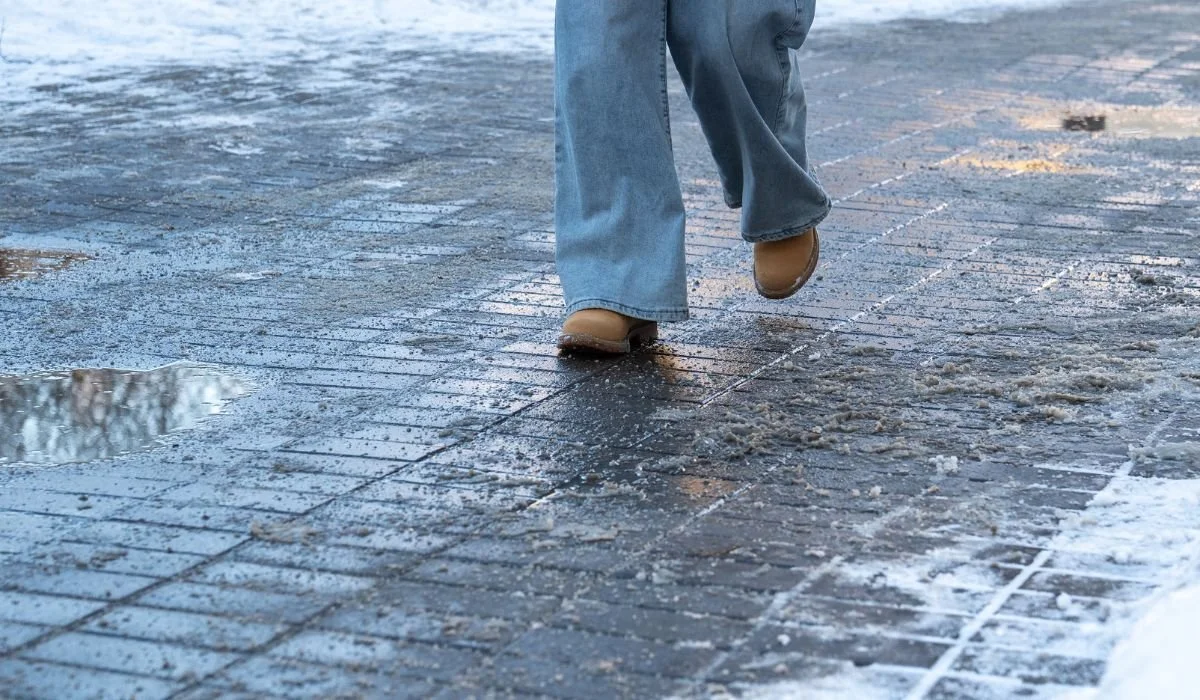
February is one of the hardest months for property owners in Pennsylvania when it comes to winter-weather liability. Unpredictable snow storms, less daylight, and possible HVAC issues, bring an increased chance of safety hazards. Property and public business owners have to be more diligent than ever when it comes to keeping their properties safe for their tenants and potential customers during these times.
The attorneys at Sutton & Lovette are here to advise homeowners, landlords, and commercial property owners. We aim to educate our clients on the risks and steps they should take to stay compliant and protected.
Safety Hazards During Freeze & Thaw Cycles
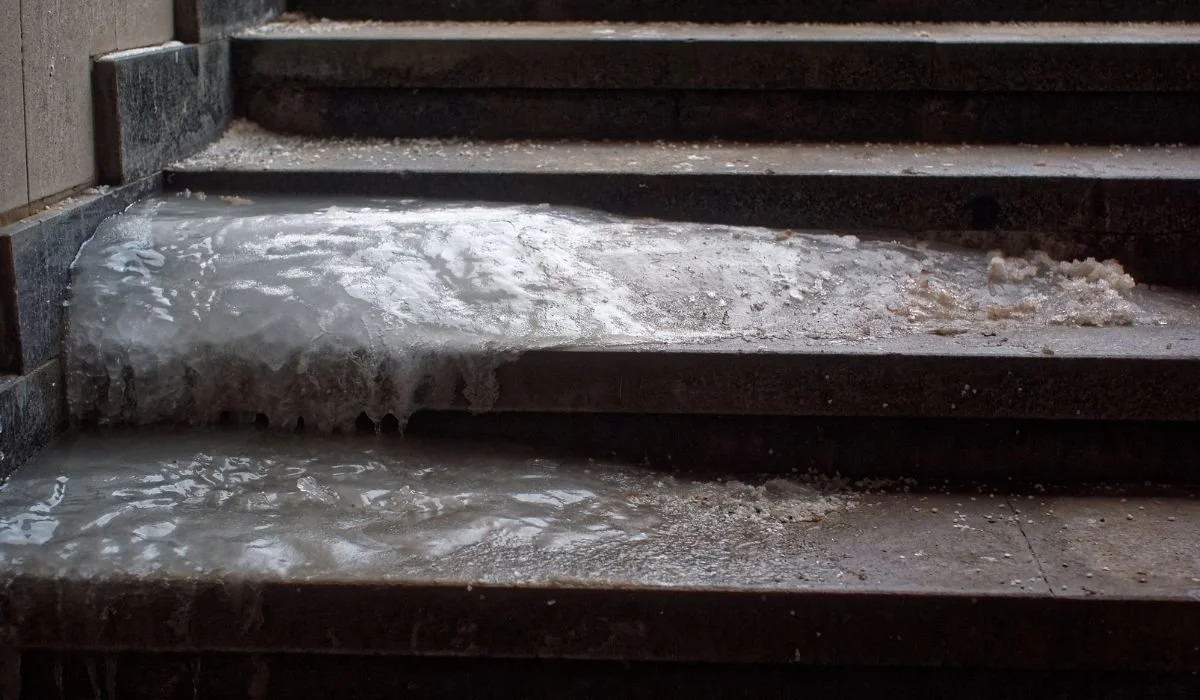
The temperature swings in February create a dangerous weather pattern, snow melts during the day or when the temperature rises and then refreezes overnight or when the temperature suddenly drops. This makes surfaces around your property icy and slippery for your tenants. Walkways, stairs, and parking lots are more dangerous during the winter months, and are among the most common causes of slip-and-fall claims. Property owners who don’t treat these surfaces regularly will be found negligent if someone is injured on their property.
In the coldest months of the year, commercial properties and their owners face high expectations for timely snow and ice removal. While stressful, these expectations are justified and necessary for property owners. Delays, no matter the reason, can result in an increase in liability exposure. Businesses that are open to the public during these weather conditions have a strict duty to maintain safe conditions, and courts view prolonged inactions after a storm as a breach of this responsibility. February storms are often heavy and frequent, requiring consistent snow removal and planning ahead.
The Legal Risks of Ice and Snow in Parking Lots and Walkways
Black ice is one of the most dangerous winter hazards because of its near invisibility. Parking lots, curb cuts, and shaded walkways are especially prone to it. When property owners fail to salt or sand these areas, or fail to re‑treat them after refreezing, they risk claims alleging negligent maintenance. Because black ice is predictable during February, courts often expect property owners to anticipate and address it.
Performing routine winter maintenance on your building can dramatically reduce the likelihood of accidents and legal disputes. Key February tasks include:
Clearing drainage paths to prevent pooling water
Applying de‑icer proactively
Repairing uneven surfaces that worsen in winter
Ensuring mats and floor‑drying procedures are in place at building entrances
These steps demonstrate reasonable care, which is central to defending against premises liability claims.
Liability Considerations for Landlords Facing Indoor Hazards
February storms often bring melting snow and sudden thaws that lead to indoor water intrusion. Wet floors in lobbies, hallways, and stairwells can quickly become slip hazards. Landlords must act promptly to dry affected areas. Along with that, it is important to address the issue as soon as possible. The quicker things are fixed in the winter, the less people are prone to slip-and-fall injuries. Failure to fix the problems behind potential injuries can expose owners to claims from tenants or visitors who are injured as a result.
Snowdrifts and ice can block emergency exits, creating both safety hazards and legal exposure. Property owners are responsible for ensuring that all exits remain accessible, even during severe weather. Failure to clear these areas can violate fire codes and increase liability if an emergency occurs and occupants cannot exit safely.
Documenting Snow‑Removal Efforts to Defend Against Negligence Claims
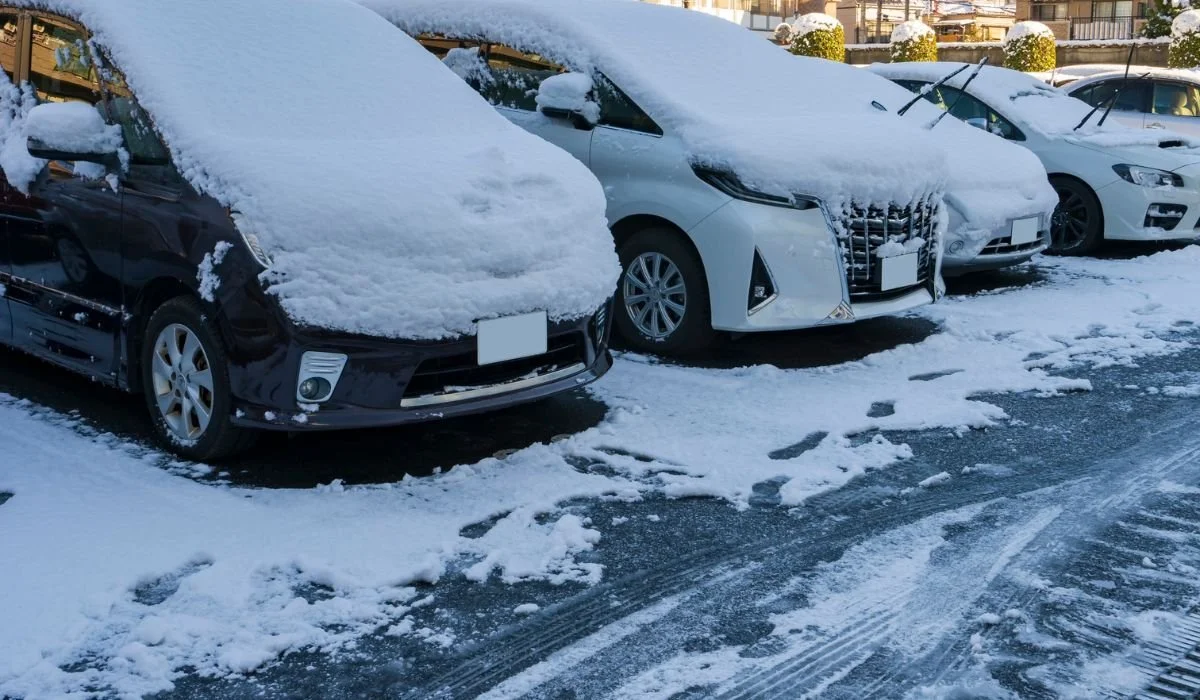
Documentation is one of the strongest defenses in a premises liability case. February is a good time to remind property owners to keep detailed logs of snow‑removal activities, including dates, times, materials used, and contractor involvement. Photographs taken before and after treatment can also be valuable. If a claim arises, this documentation helps demonstrate that the owner acted reasonably under the circumstances.
Crafting a verifiable timeline can counter allegations of inaction in court. Insurance carriers and courts often look for objective evidence demonstrating that a property owner took timely, reasonable steps to address winter weather hazards. When logs are incomplete or nonexistent, a claim is much easier to argue.
Property owners who haven’t yet implemented a formal documentation process should make it a priority before the next storm hits.Taking the following east steps can protect you from facing negligence claims in court:
Start a dedicated log
Train staff on what to record
Ensure photos are routinely captured and stored
Taking these steps now can make all the difference when defending against a future negligence claim.
Guidance for Businesses Managing Winter Hazards for Customers
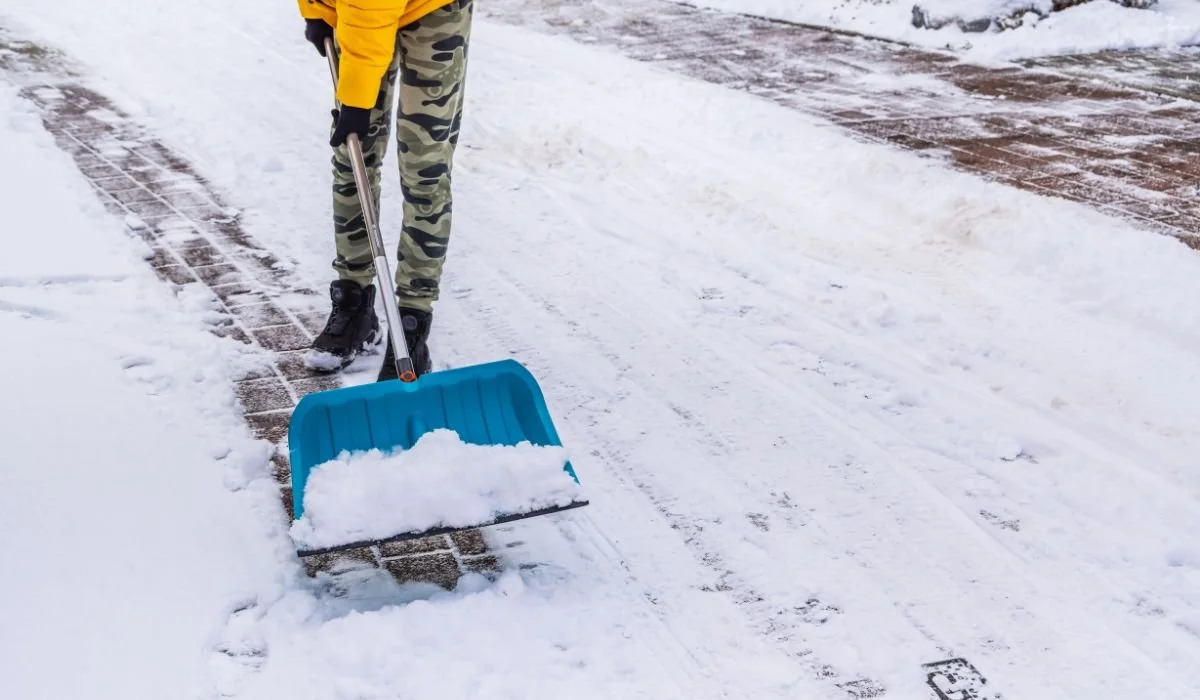
Businesses open to the public must take extra care to manage winter hazards. This includes:
Maintaining clear walkways
Placing mats at entrances
Promptly addressing wet floors
Monitoring high‑traffic areas throughout the day
February storms often require repeated treatment, not just a single cleanup effort. Consistent attention to these details helps reduce accidents and demonstrates compliance with legal duties.
Get Ahead of Winter Weather and Contact Us Today!
Staying ahead of winter liability risks is essential for protecting your property and your peace of mind. With a few proactive measures, you can dramatically reduce exposure to potential hazards and injuries, and strengthen your position if a claim ever arises. If you’re ready to tighten your winter‑weather protocols or want guidance tailored to your property, now is the perfect time to take the next step. Reach out to the legal professional at Sutton & Lovette to put a solid plan in place before the next storm arrives.