
Most people never think twice about the medication they pick up at the pharmacy or receive in a hospital bed. They trust that the right drug, at the right dose, is going to the right person.
Usually it is. But when a step in that chain breaks down, the result can range from a bad reaction to a serious, lasting injury. Here is how medication errors happen, who may be responsible, and what to do if you suspect one.
Common types of medication errors
Medication errors can happen at almost any point, from the moment a prescription is written to the moment a pill is swallowed. Some of the most common include:
Wrong drug. Many medications have look-alike or sound-alike names, and one can be filled in place of another.
Wrong dose. A misplaced decimal point or a misread prescription can turn a safe dose into a dangerous one.
Wrong patient. Prescriptions for people with similar names can get mixed up at pickup or on a hospital floor.
Wrong instructions. A label that says to take a medication more often than prescribed can cause an overdose over time.
Missed interactions or allergies. A new drug may react badly with something the patient already takes, or with a documented allergy that was never checked.
Missed or late doses. This comes up most often in hospitals and nursing homes, where patients rely entirely on staff.

Who may be responsible?
The answer depends on where the chain broke. More than one party can share responsibility.
The prescribing provider may be responsible for prescribing the wrong drug or dose, or for ignoring a known allergy or dangerous combination.
The pharmacist or pharmacy may be responsible for filling the wrong medication, mislabeling it, or failing to catch an interaction that should have been flagged.
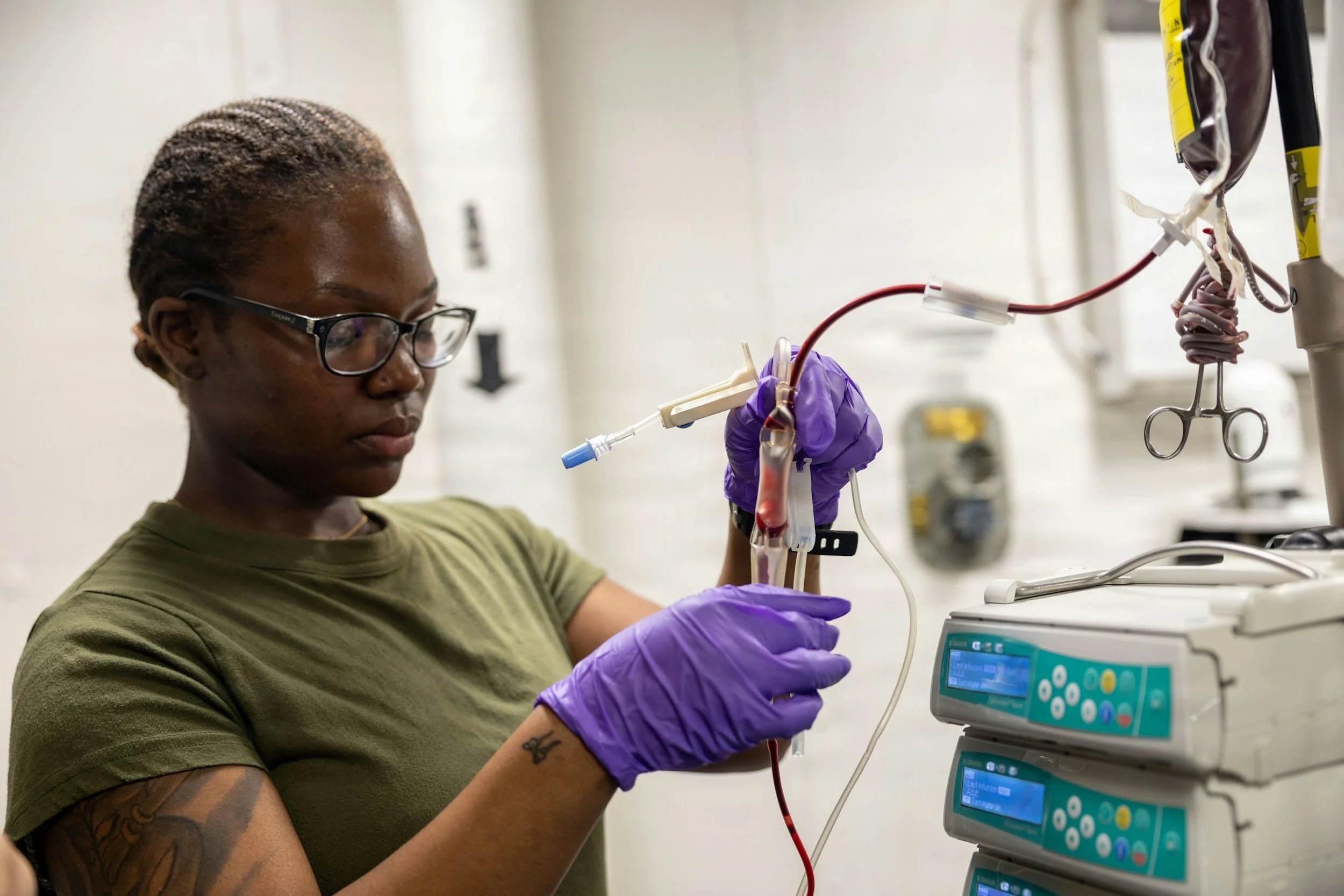
A hospital may be responsible when nurses or staff give the wrong medication, the wrong amount, or give it to the wrong patient.
A nursing home may be responsible for missed doses, double doses, or medications given without proper monitoring. Our post on nursing home neglect warning signs covers what families should watch for.
Not every bad reaction is an error
Medications carry risks even when everything is done correctly. A side effect that was disclosed, or a reaction nobody could have predicted, is not the same as a mistake.
The question is whether someone failed to meet the standard of care expected of them, and whether that failure caused the harm. Our post on signs your injury might be medical malpractice explains that standard in more detail.
In Pennsylvania, claims against licensed health care professionals generally require a certificate of merit, confirming that an appropriate professional has reviewed the case. That means a medical review usually happens early, before anything is filed.
What to do if you suspect a medication error
Get medical care first. If someone may have taken the wrong medication or too much of it, call a doctor or Poison Control at 1-800-222-1222. In an emergency, call 911.
Keep everything. Hold on to the bottle, the label, any remaining pills, the pharmacy receipt, and the information sheet that came with it. Do not return the medication to the pharmacy, even if asked.
Take photos. Photograph the label and the pills before anything else happens to them.
Write down what happened. Note when the medication was picked up or given, what symptoms followed, and who you spoke with.
Consider reporting it. The FDA accepts reports of medication errors and harmful reactions from patients through its MedWatch program. Complaints about a licensed pharmacist, doctor, or nurse can also be filed with the Pennsylvania Department of State. A report is separate from any legal claim and does not replace one.

Deadlines still apply
Most injury claims in Pennsylvania must be filed within two years, though the timing can depend on when the injury was discovered. Medication errors are not always obvious right away, so it is worth asking about a possible claim sooner rather than later.
Talk to someone about a medication error
If you or a family member was harmed by a medication or pharmacy error in Ebensburg, Johnstown, Altoona, the Pittsburgh area, or elsewhere in Central Pennsylvania, you can ask about your options without any obligation.
Sutton & Lovette offers a free consultation. Calls to (814) 471-7702 reach the firm's Ebensburg office directly rather than an answering service.
This article provides general information about Pennsylvania law and is not legal advice. How the law applies depends on the facts of each situation.
