
An assault is a crime committed by one person. When it happens in a parking lot, a bar, a hotel, or an apartment building, there is often a second question worth asking: did the business do what it reasonably should have to keep people safe?
That question is the foundation of a negligent security claim.
What is a negligent security claim?
A negligent security claim is a type of premises liability case. In a typical premises case, the hazard is something physical, like a wet floor or a broken step. In a negligent security case, the hazard is a foreseeable risk of crime that the property owner failed to address.
The same general duty applies. Businesses that invite the public onto their property are expected to use reasonable care to keep it safe, and our post on premises liability and slip and fall claims in Pennsylvania explains how that duty works.
A negligent security claim does not blame the business for the crime itself. It asks whether reasonable precautions were missing, and whether that gap gave the assault a chance to happen.
When is a business responsible for an assault on its property?
Pennsylvania follows a rule from the Restatement (Second) of Torts, Section 344. Under it, a business that opens its property to the public can be responsible for harm caused by third parties when it fails to use reasonable care to discover that harmful acts are likely, or fails to warn or otherwise protect its visitors.
Pennsylvania appellate courts have also held that a business does not need to know the exact spot where someone might be hurt. Notice of prior incidents on the property can be enough to put the question in front of a jury.

This is not a guarantee of safety. A business is not expected to prevent every crime. The question is whether the risk was foreseeable and whether the response was reasonable.
Foreseeability is the heart of the case
Most negligent security claims turn on one question: what did the business know, and when did it know it?
Evidence that often matters includes prior assaults or robberies on the property, repeated police calls, complaints made to management, internal incident reports, and known problems in the surrounding area. Pennsylvania publishes local crime statistics through the State Police Uniform Crime Reporting System, which can help show the conditions a business was operating in.
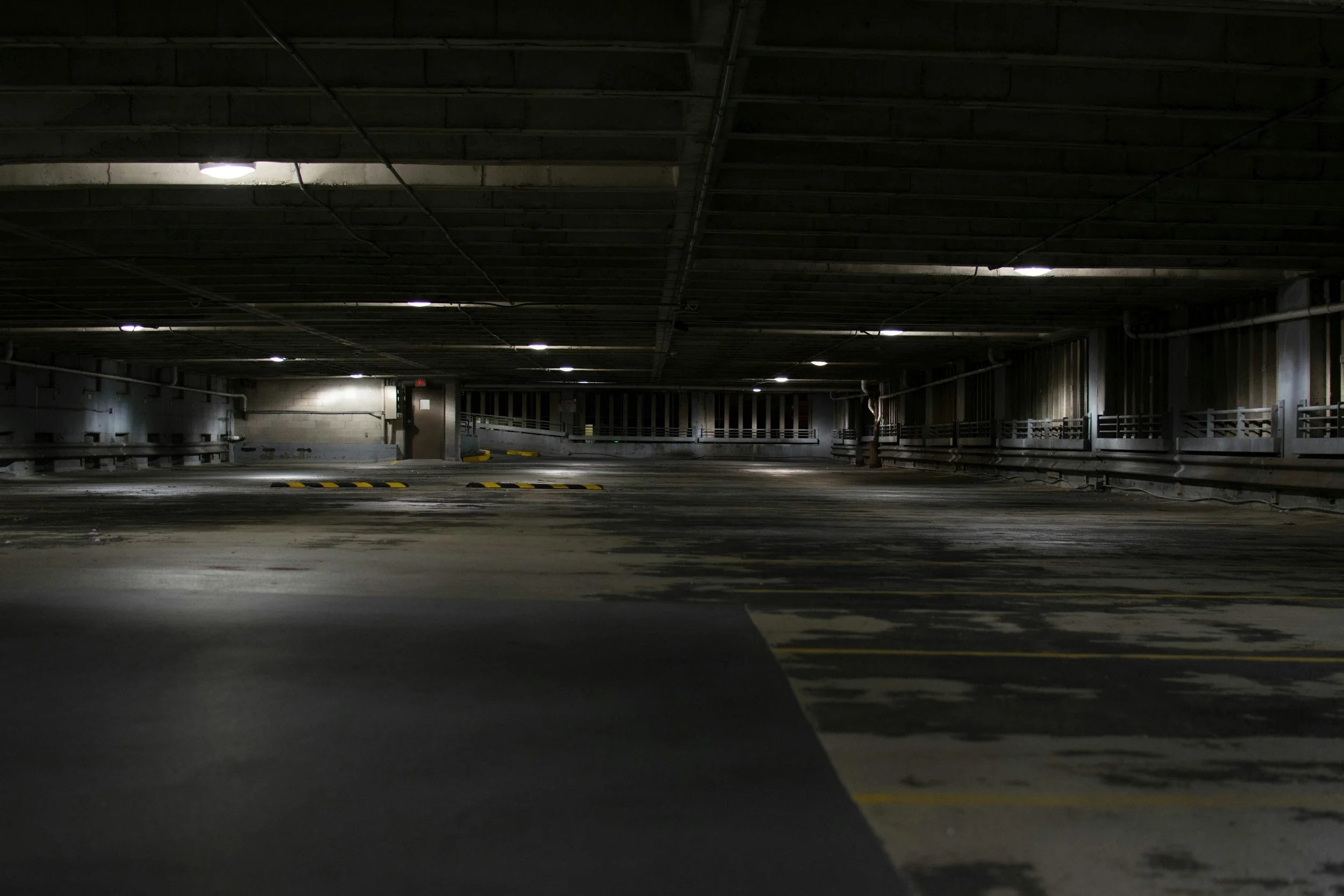
Then there is the question of what was missing. Common examples include broken or poor lighting, doors and gates that do not lock, security cameras that do not work, security staff who were promised but not present, and a bar that ignored an escalating situation.
Apartment complexes follow a different rule
Landlords are treated differently from businesses open to the public. In Feld v. Merriam, the Pennsylvania Supreme Court held that a landlord has no general duty to protect tenants from criminal intrusion.
There is an important exception. When a landlord provides a program of security, whether by agreement or voluntarily, the landlord must carry it out with reasonable care.
That makes the details important. Security guards, controlled entry, gated parking, and security promises in the lease or the marketing materials can all change the analysis.
Where negligent security claims come up
These claims can arise anywhere the public is invited in. That includes bars, nightclubs, and their parking lots, hotels and motels, apartment complexes with advertised security, parking garages, convenience stores and gas stations, and shopping centers and event venues.
When a business hires an outside security company, that company may also carry responsibility for how it performed the work it agreed to do.
What to do after an assault at a business
Report the incident to police and to the business, and get the police report number. Seek medical care right away, even if an injury seems minor, because records created at the time carry weight later.
Video is often the most time-sensitive evidence. Many surveillance systems record over footage on a rolling basis, so a written request asking the business to preserve it should go out quickly.

Write down what you noticed about the property, including lighting, cameras, locks, and whether security staff were present. Gather witness names and contact information while they are easy to reach.
If criminal charges were filed against the person responsible, a civil claim can still move forward. Our post on whether you can sue for assault injuries when the person is criminally charged explains how the two cases work side by side.
How long do you have to file?
Under 42 Pa.C.S. § 5524, most personal injury claims in Pennsylvania must be filed within two years. A pending criminal case does not pause that clock. Some exceptions apply, including for minors and for claims against government entities, which is one more reason to ask about your situation early.
Talk to someone about a negligent security claim
If you were hurt in an assault at a business, bar, hotel, or apartment complex in Ebensburg, Johnstown, Altoona, the Pittsburgh area, or elsewhere in Central Pennsylvania, you can ask about your options without any obligation.
Sutton & Lovette offers a free consultation. Calls to (814) 471-7702 reach the firm's Ebensburg office directly rather than an answering service.
This article provides general information about Pennsylvania law and is not legal advice. How the law applies depends on the facts of each situation.
