

Often when it comes to legal matters, people are caught suddenly by how many decisions need to be made. With the unpredictability of life comes decisions concerning personal organization and management of daily affairs. Whether it be illness, injury, or other kinds of interruptions in your daily life, the first thing that you must figure out is usually who will pay your bills, manage your healthcare decisions, deal with household proceedings, etc. Without the proper documentation legally prepared, the situation can quickly become expensive and looming.
All of this being said, Pennsylvania provides a simple solution to this problem for its citizens. This solution is the Power of Attorney, or POA. With the Power of Attorney, you are able to choose who you want to name as the person you trust to act on your behalf if something causes you to be unable to decide things for yourself. This prevents the need for a court intervention at all, as the legal proceedings are handled before you get to this point. It is a great way to put your worries at ease and make it easier for your family to handle if it ever comes to that. The team at Sutton & Lovette is here to walk you through the entire process and help you/represent you along the way.
What Is a Power of Attorney
As described briefly above, POA refers to a legal document where the principal (you) authorizes that the agent (your chosen person) can act on your behalf. There are a few different types of POA. We are going to jump into a few of them below.
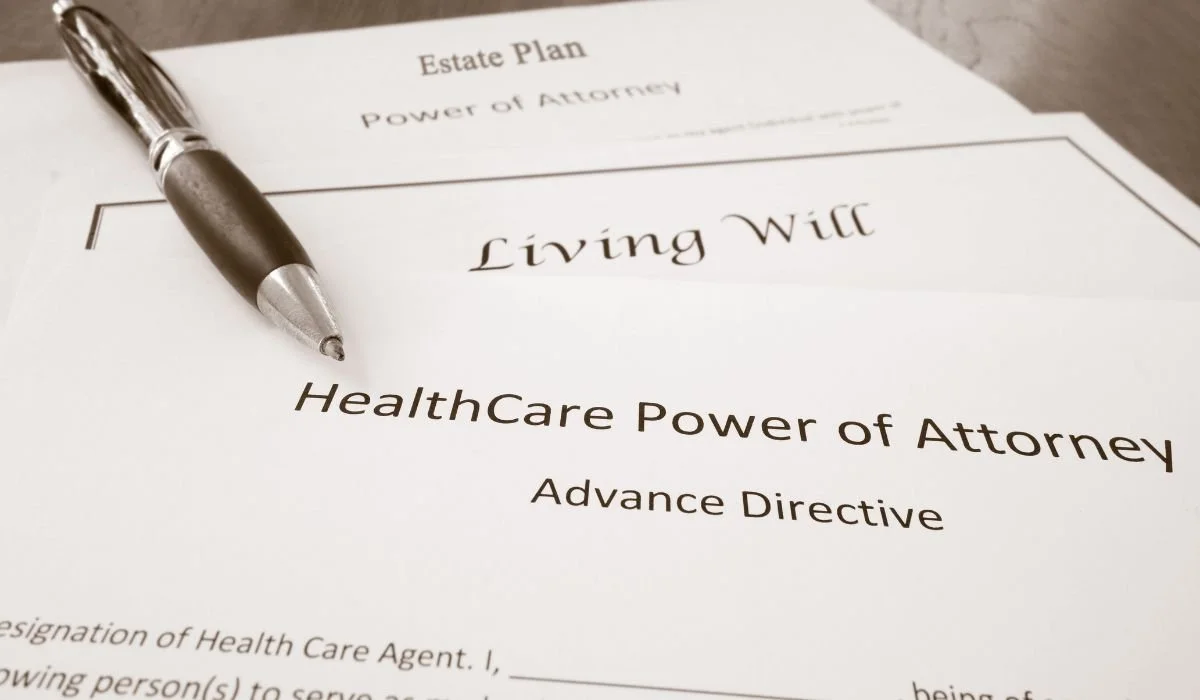
Durable Financial POA
This allows you to choose to appoint someone who will handle any financial or legal affairs you may face. This includes bills, property and estate management, document signing, etc. It outlines in writing that your agent can step in without a second legal or court proceeding.
Healthcare POA
Like it sounds, a Healthcare POA is authorized to make medical decisions for you if you are incapacitated. They should be informed on your wishes and what you want in certain medical situations or emergencies. It provides clarity and a sense of calm for your loved ones when faced with these situations. Instead of panic and unknowing, they already know what decisions will be made and when.
If you want both of these POA to be the same person, you can do that. The documents can cover as much or as little as you want them to. The tasks can be listed explicitly and the POA only has the power to deal with them specifically, and nothing outside of the scope of what you outline.
Guardianship and POA
Without a POA in Pennsylvania, many families could be required to go to court and be appointed a guardian through legal proceedings. The Orphans Court Division of Common Pleas handles these cases. This version of dealing with an already stressful situation is not desirable for many families as it is expensive, time-consuming, and emotional. In this proceeding, the court makes the decision on who will manage all of you or your family member’s affairs. Usually, this involves multiple hearings, medical evaluations, and other judicial proceedings. This process has the potential to completely take you out of the picture. If the decision does end with a guardian for an adult, this can also be difficult for whoever is named the guardian, as they are faced with a lot of oversight. They must be certified and the court remains involved in the entire process. Ultimately, this usually places a lot of strain on the entire family unit.
On the other hand, if you secure a POA for yourself or a family member, you are able to plan ahead and select the person you want to take over the care of the principal. This means you can avoid court altogether and court oversight on every decision that is made. It keeps a sense of privacy for you and your family and is much easier to coordinate than you might think.
Requirements for Assigning a POA in PA
There are requirements for validly executing a POA in our home state. These requirements include:
Document must include a notice to the principal.
Principal must sign and acknowledgement that affirms the POA’s power over them.
Two witnesses (disinterested) and a notary must be present.
The agent must sign an acknowledgement accepting their responsibilities (for financial POAs).
This part of the process is important, as it makes sure the POA can be enforced when/if the time comes that it needs to be used. If the proper steps and criteria are not followed, the agreement could become null to the eyes of a court and could send you to the long process of hearing and guardianship. It can leave you and your loved ones in a sort of limbo that is not enjoyable for anyone involved.

Provide Peace of Mind for Yourself and Your Family
A POA provides more than just decision-making power to someone, it allows you to retain some control over what your future looks like. It also protects you monetarily and in healthcare spaces. And, ultimately, saves you and your family from spending a lot of time in court. Even if you are healthy, it can be safe to name a POA just in case of emergency. Every adult in the state who has a retirement account or assets to protect should consider drafting up a POA document. It keeps the decisions in your hands in those that you have appointed yourself. If you or a loved one are looking to write a POA, the trusted attorneys at Sutton & Lovette Law Offices are here to help. Give us a call at (814) 471-7702 or send us an email at suttonandlovette@gmail.com.