
Cryptocurrency and Estate Planning: What Could Go Wrong?

We’ve all heard of estate planning, but some people may be new to the concept of cryptocurrency. Think of Bitcoin or NFTs, you may have heard these terms before but maybe you’re not sure about exactly what they are or what they do. These assets are not very popular yet, but they have the potential to become so in the coming years. The team here at Sutton & Lovette Law Offices is here to walk you through this process. It is definitely an interesting way to invest, but it does come with a few problems we want to address.
Cryptocurrency Explained
If you are completely new to crypto, we are going to walk you through it here. Crypto is an asset that is similar to the cash that we know and use to this day, but it is not represented by physical coins and bills like cash is. Crypto is strictly digital. It is represented by an online public ledger called a blockchain. Blockchains list a person’s current investments and investment history. The ledger is encrypted so it cannot be changed or removed. Then, you can transfer or buy and sell this currency online with your digital wallet. While we could go deeper into the buying and trading of crypto, this is all you really need to know for our purposes today.
What Does Any of This Have to Do With Estate Planning?
Well, because cryptocurrency is an asset like cash or property, it actually has a lot to do with estate planning. The thing that sets it apart is that it doesn't have a physical manifestation. It can only be used online with a private key. Because of this, leaving it to your loved ones after you pass can be difficult. It requires planning in advance. Many people make some common mistakes that can keep your crypto from being included in your will. We’ll be covering some of these in the next few sections of this blog.
Mishandling Your Crypto Inventory
An inventory refers to a record that keeps track of ALL of your cryptocurrency assets. If you don’t have this, whoever is handling your affairs will not know how much there is and how to find it. It is important to have these records, just as you would for any of your other assets. This ledger should include any form or type of crypto you have. A good way to go about this is to list all of your assets with the date and market value of when you purchased them. Then, it is important to include where to find the asset and the password to gain access to it. If your representative doesn’t have all of these things accessible to them without you there to answer questions, they will not be able to pass on your assets. Keep this list somewhere safe with other lists of your assets.
Forgetting Your Passwords
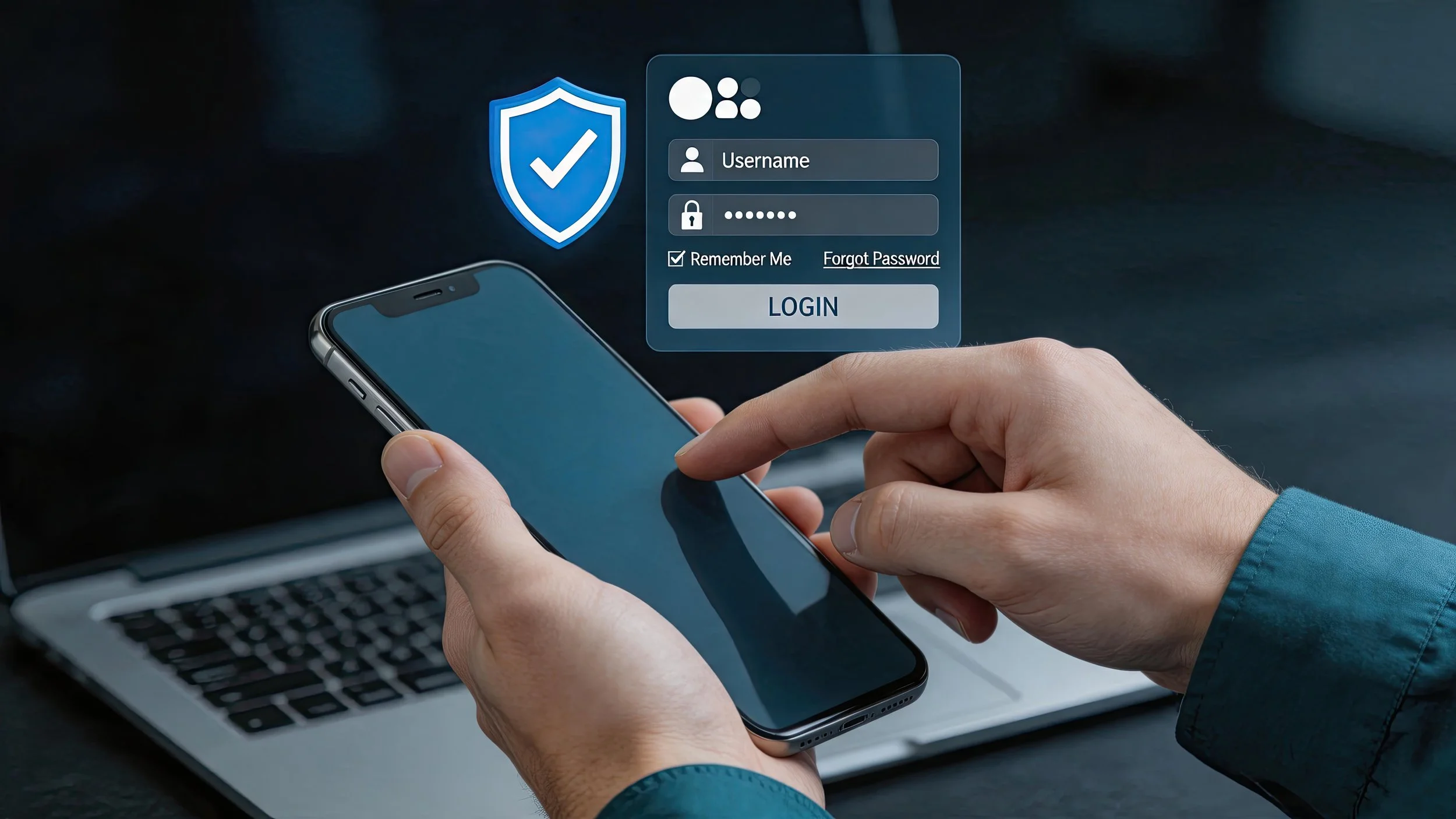
Like we stated above, in order to gain access to your assets you have to remember the passwords that you assign to each of them. These passwords are then stored in the digital wallets which must be accessed with a private key. Since there are so many steps involved, you need to make sure you remember and document all of these passwords and phrases. Further, there are different kinds of digital wallets: hot and cold. Hot wallets are web programs or software apps that are connected to the internet and store private keys. Cold wallets store private keys offline in something like a USB and are more secure because there is no internet connection, which means there is a smaller chance of hacking or information stealing. Because of the sensitivity of these wallets, if you don’t have your private keys you will not be able to get to your assets. A good way to avoid this issue is to store your passwords somewhere and make sure the executor of your will knows where it is.
Failing to Address Your Digital Assets in Your Will
Crypto exchanges, while assets, do not have their own forms or transfer designations. Because of this you will need to name a beneficiary for these assets if you don’t want them to become part of the estate and get probated. To avoid this, it is important to identify your digital assets and nominate someone to be your digital executor to handle the assets. This can or cannot be the same person who is the executor of your physical assets, that part is up to you.
Get Legal Representation for Your Estate
If you want to make sure all of your crypto assets are properly named and beneficiaries are in your will, it may be best to contact a lawyer that knows how to handle these cases. The attorneys at Sutton & Lovette are here to help with just that. A lawyer can draft you an estate planning document to handle crypto holdings and all your digital assets. We can help you identify your executor and determine your taxes. We can make sure that you won’t lose your assets and that they will go where you want them to. Contact us today by giving us a call at (814) 471-7702 or send us an email at suttonandlovette@gmail.com.