
Pennsylvania Fireworks Law: What's Legal and What Gets You Cited
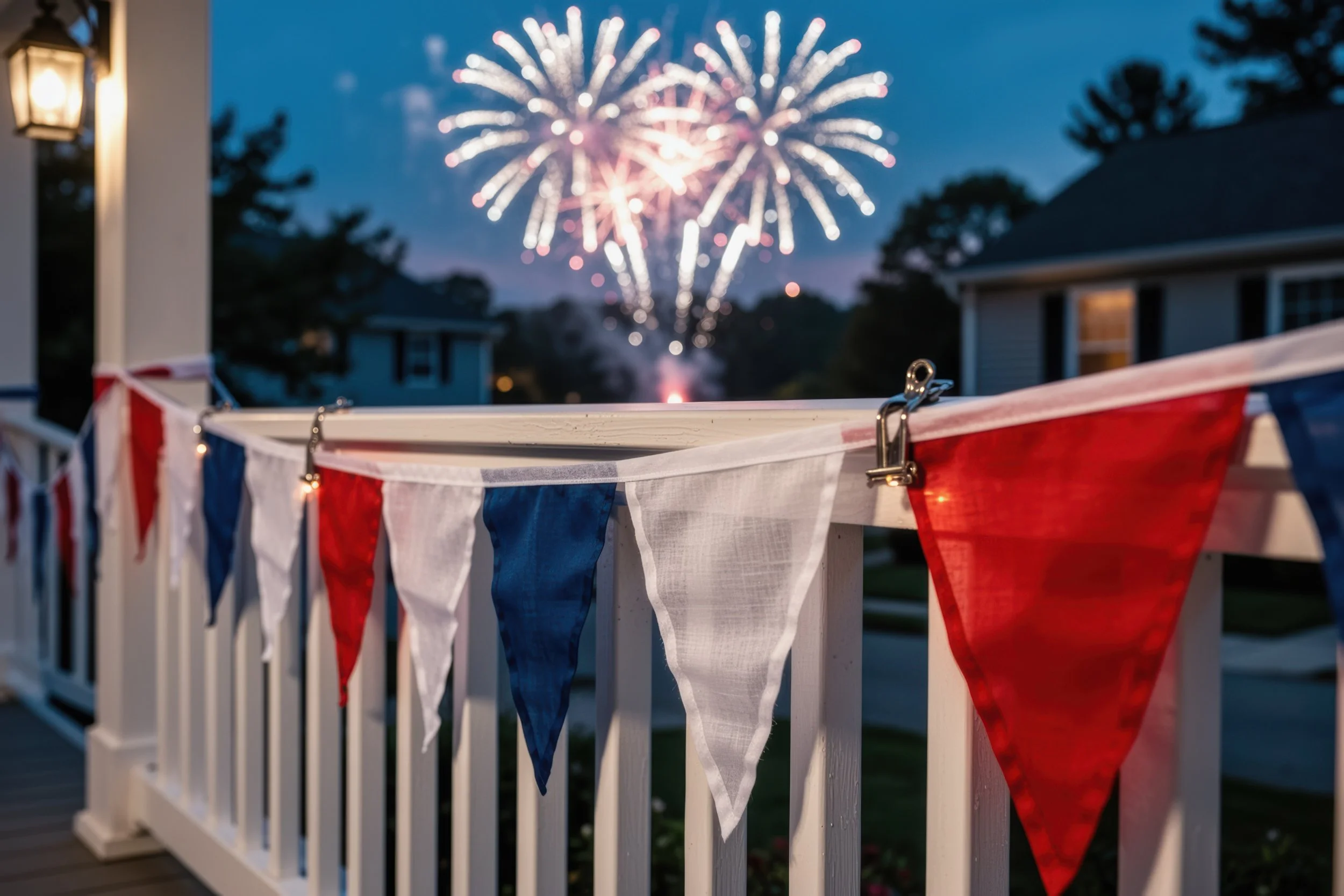
Fireworks are a familiar part of summer in Pennsylvania, and the state now allows adults to buy and set off far more than it once did. That freedom comes with real limits, though, and many people who light fireworks legally purchased at a local store are surprised to learn they can still be cited for how, where, or when they use them. Understanding the current law helps you enjoy the season without an unexpected visit from law enforcement or a fine that outlasts the holiday.
What the Law Actually Says
Pennsylvania's fireworks rules are governed by Act 74 of 2022, which took effect on September 9, 2022. The law sits within the state's Agriculture Code and sets out which fireworks residents may buy, who may use them, and the conditions that apply. It replaced an earlier framework and tightened several provisions aimed at curbing unsafe use, so guidance you may have read a few years ago could be out of date.
The law draws a clear line between two categories: consumer-grade fireworks that adults may use, and display fireworks reserved for licensed professionals.
Which Fireworks Are Legal for Consumers
Adults may purchase and use what the law calls consumer-grade or Class C fireworks. This category includes firecrackers, Roman candles, bottle rockets, and similar products that contain no more than 50 milligrams of explosive material. You must be at least 18 years old to buy, possess, or use them.
A separate group of items sits outside the consumer fireworks category and remains permitted at all times throughout the state. These include ground-based and hand-held sparkling devices, novelties, and toy caps. Because they are not classified as consumer fireworks, the stricter use rules described below do not apply to them in the same way.
You may buy consumer fireworks from a permanent structure licensed by the Pennsylvania Department of Agriculture. Online and mail-order purchases are allowed, but the fireworks must be delivered to and picked up at a licensed facility.
What Stays Off-Limits to the Public
Display fireworks are the professional-grade products used in large public shows, and the general public may not use them. This category includes aerial shells and larger salutes that exceed the explosive limits set for consumer products. Only a professional operating under a permit from the municipality where the show takes place may use them.
Certain items remain illegal for everyone. Binary explosives such as Tannerite, along with federally prohibited devices commonly known as cherry bombs, M-80s, and quarter or half sticks, are not lawful consumer fireworks and carry far more serious consequences.
The Rules That Actually Get People Cited
Buying fireworks legally does not give you unlimited freedom to use them. Most citations come from the conditions Act 74 places on how and where fireworks may be discharged. According to the Pennsylvania State Police, consumer fireworks:
Cannot be ignited or discharged on public or private property without the express permission of the property owner.
Cannot be discharged within 150 feet of a building or vehicle, even one that you own yourself.
Cannot be directed at another person, and cannot be fired from or aimed at a building or vehicle.
Cannot be used while the person setting them off is under the influence of alcohol, a controlled substance, or another drug.
That 150-foot clearance rule is the one that catches the most people off guard. In many neighborhoods, especially in boroughs and denser communities, there simply is no spot on a typical residential lot that sits 150 feet from every nearby building or vehicle. In practical terms, that means lighting consumer fireworks in a small backyard can violate the law even when you have done everything else correctly.

Timing matters as well. Municipalities may prohibit the use of consumer fireworks between 10 p.m. and 10 a.m. The law carves out exceptions around major holidays, allowing use until 1 a.m. on July 2, 3, and 4 and on December 31. Local rules fill in the rest, so the hours that apply on your street depend on where you live.
Local Ordinances Can Add More Restrictions
State law sets the floor, not the ceiling. Individual municipalities are allowed to adopt their own ordinances, and many have. Some communities set specific hours, some restrict certain areas such as parks and green spaces, and some that are too densely built for the 150-foot rule have moved to prohibit consumer fireworks almost entirely. Checking your local ordinance before the holiday is the single most reliable way to avoid a citation, because officers enforce the local rule that applies where you are standing.
What a Violation Costs
Using consumer fireworks in violation of the law is a summary offense. A first offense carries a fine of up to $500. A second or later offense committed within three years of a prior conviction raises the potential fine to as much as $1,000. Some municipalities set their own penalty amounts within their ordinances, which can differ from the state figures.
Law enforcement also has the authority to confiscate fireworks that are being used or stored in violation of the law. Pennsylvania State Police, certified municipal police officers, sheriffs and their deputies, and accredited bomb squad members may all remove them.
The consequences climb sharply for conduct beyond ordinary consumer use. Selling consumer fireworks unlawfully is a second-degree misdemeanor, and the unlawful use or sale of display fireworks is a third-degree felony. Both carry substantial fines and the possibility of a criminal record that reaches well past a single summer evening.
When It Makes Sense to Talk to a Lawyer
A single summary citation is often resolved without lasting harm, but the situation is not always that simple. A fireworks incident can lead to additional charges when property is damaged, when someone is injured, or when alcohol is involved. In those cases, what began as a holiday celebration can turn into a matter with real stakes for your record and your finances.
If you have received a citation or a more serious charge tied to fireworks, the attorneys at Sutton & Lovette can review the specific facts of your situation and explain the options available to you. Understanding the charge and the process early puts you in a better position to make informed decisions about how to respond. Learn more about the firm's criminal defense practice, or contact Sutton & Lovette to request a consultation.
